
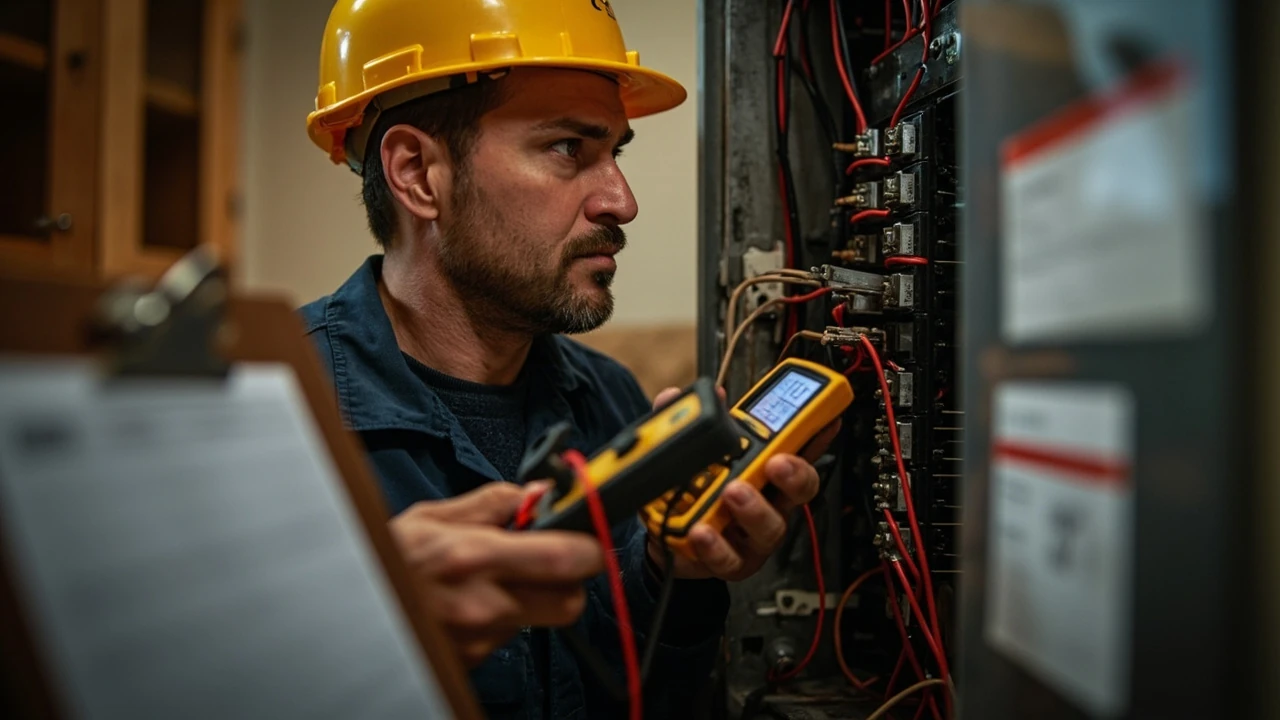
Electrical home safety inspection: what it actually covers and when to book one
A buyer is about to close on a 1978 split-level, the seller’s disclosure lists two ungrounded bedrooms, and the inspector’s report only covers plumbing and roofing. The buyer’s agent suggests one more visit, this time from a licensed electrician, and the question lands on the buyer’s desk: what does an electrical home safety inspection actually look at, how is it different from a general home inspection, and what should be expected to come out of it. The same question shows up in other shapes. A homeowner notices a faint burning smell near a kitchen outlet. A landlord wants documentation before renting out a basement suite. A renovator is about to open walls on a 1990s addition and wants a baseline reading of what is already there. The thread that runs through all of them is the same: people want to know what condition the electrical system is in, what is dangerous, and what can wait.
An electrical home safety inspection is a focused review of a home’s wiring, panels, and connected equipment, performed by a qualified electrician rather than a generalist home inspector. It is built to answer a specific question: is the electrical system reasonably safe for continued use, and if not, what needs attention, in what order, and at what urgency. The remainder of this page walks through what an inspection typically covers, how it differs from a general home inspection, who should consider booking one, what a written report usually contains, how to read common findings, and what the next practical steps are after the report lands.
What an electrical home safety inspection is, and how it differs from a general home inspection
A general home inspection is broad by design. The inspector walks the property, looks at the roof, foundation, HVAC, plumbing, and visible electrical components, and produces a report that flags major concerns. The electrical portion of a general inspection is usually limited to a visual check of the panel, a sample of outlets, and obvious code issues, and it is not a substitute for a detailed electrical review.
An electrical home safety inspection is narrower and deeper. A licensed electrician spends more time on the system, uses test instruments rather than just visual checks, and writes up findings against the current electrical code. The two reports serve different purposes. The general inspection helps a buyer decide whether to proceed with a purchase. The electrical inspection helps the buyer, owner, or landlord understand exactly what electrical work is needed and how urgent each item is.
Some key differences worth noting before scheduling:
- Qualifications: A general home inspector is a generalist; the electrical portion of their report is informational. An electrical inspection is performed by a licensed electrician or a master electrician whose full scope of work is electrical systems.
- Scope: A general inspection samples. An electrical inspection tests a higher percentage of outlets, switches, and circuits and looks at the panel internals, not just the cover.
- Tools: A general inspection relies on visual checks and a plug-in outlet tester. An electrical inspection adds a multimeter, often a clamp meter, sometimes a megohmmeter or a thermal camera, and any specialized equipment the situation calls for.
- Output: The general report flags concerns. The electrical report typically codes each finding by severity and ties recommendations to the current edition of the local electrical code.
What an electrician actually checks during the inspection
Every electrician runs the visit a little differently, but the structure of a residential electrical home safety inspection is fairly consistent. The following areas are almost always on the list, even when the homeowner has not asked for them specifically.
The service entrance and main panel
The inspection starts where power enters the home. The electrician confirms the rating of the service, usually 100, 150, or 200 amps in modern single-family homes, and looks at the condition of the service entrance cable, the meter base, the grounding electrode system, and the bonding to metallic water piping where present. Inside the main panel, the electrician looks for signs of overheating, double-lugged breakers, mismatched breakers and bus bars, corrosion, aluminum branch wiring, and any panel brand with a known safety history. The torque on breaker lugs is sometimes checked if a torque wrench is part of the toolkit, since loose terminations are a common cause of residential electrical fires.
Branch circuits, outlets, and switches
A representative sample of branch circuits is tested. In a typical three-bedroom home, the electrician might test every outlet in the kitchen, bathrooms, garage, and exterior, plus a sampling elsewhere. Each outlet is checked for correct polarity, grounding, and GFCI or AFCI protection where currently required. Switches are exercised and checked for heat or buzzing. The inspector also looks for back-stabbed connections, daisy-chained neutrals, and the use of extension cords as permanent wiring, all of which are common in older homes.
Special circuits and high-draw appliances
The kitchen range, oven, dryer, water heater, HVAC air handler, and any subpanel-fed areas are looked at specifically. The electrician confirms that dedicated circuits serve these loads, that the wire gauge matches the breaker size, and that the equipment is properly bonded. This is also where questions about aluminum branch wiring, old cloth-insulated cable, or older fuse panels tend to surface.
Smoke, carbon monoxide, and other life-safety devices
Smoke alarms and carbon monoxide alarms are tested for function and placement, even though they are technically not part of the electrical system. Their wiring often runs through the same circuits, and an inspector will note if any are missing, expired, or interconnected incorrectly.
Grounding, bonding, and surge protection
Modern code places real weight on grounding and bonding. The electrician checks the grounding electrode, the bonding jumpers, and the presence of any whole-house surge protective device at the panel. Older homes often have inadequate grounding, and that is one of the more common findings in homes built before the 1970s.
Outdoor, garage, and detached structure circuits
Exterior outlets, detached garages, sheds, and any outbuildings are tested for GFCI protection, weatherproof covers, and proper cable type. Underground feeder cable that has been buried without protection, or older BX cable run outdoors, is a frequent flag in mid-century homes.
Common findings and what they actually mean
The report that comes back from a residential electrical inspection tends to be more readable than a general inspection report, because electricians are used to writing for both homeowners and insurance carriers. The findings usually fall into a few buckets. The table below shows how a typical report is organized, what each severity usually means, and what the realistic response is.
| Severity | Typical meaning in the report | Example finding | Realistic response |
|---|---|---|---|
| Immediate safety hazard | Active risk of shock, fire, or equipment damage. Should be corrected before continued use. | Evidence of arcing at a panel breaker, scorched outlet, or missing GFCI protection near a kitchen sink. | Schedule repair the same week. Insurers and some buyers will not proceed without correction. |
| Recommended repair | Not an emergency, but should be addressed within weeks or months. | Double-tapped breaker, ungrounded three-prong outlets, or worn exterior conduit. | Plan the work as part of routine maintenance, before listing the home, or before the next renovation. |
| Code update, not a hazard | System is safe but does not meet the current code edition that applies to new work. | Lack of AFCI protection on a bedroom circuit, or missing tamper-resistant receptacles. | Usually addressed when the affected area is renovated or rewired, not as a standalone project. |
| Informational | Note about age, capacity, or future planning. | 100 amp service in a home that may add an EV charger or a heat pump. | Keep on file and revisit before any large electrical addition. |
Reading the report is easier when the categories are clear. A buyer negotiating a 1970s house can usually focus on the immediate safety hazards and recommended repairs during price discussions, and treat the code-update items as part of the home’s ordinary maintenance backlog rather than deal-breakers.
Who should book an electrical home safety inspection
Not every home needs a dedicated electrical inspection every year. The cases below are the ones where the cost of an inspection pays for itself quickly, either in safety, in negotiation leverage, or in avoided surprises during a renovation.
- Home buyers of properties more than 25 to 30 years old, especially where the seller’s disclosure mentions aluminum wiring, a fuse panel, or ungrounded outlets.
- Sellers who want to know about issues before the buyer’s inspector finds them, and who would rather control the timing and cost of any repairs.
- Landlords preparing to rent a unit, particularly older in-law suites or basement apartments, where insurance carriers increasingly ask for documented electrical condition.
- Homeowners who notice warning signs such as flickering lights, warm switches, frequently tripping breakers, or a faint burning smell near outlets.
- Owners planning a major renovation, especially one that involves adding circuits, a subpanel, an EV charger, a heat pump, or a kitchen expansion.
- Households that have recently experienced flooding, a lightning strike, or significant storm damage to exterior wiring.
What the inspection does not cover
An electrical home safety inspection is thorough within its scope, but the scope is not unlimited. The following are usually outside the standard residential electrical inspection and would be quoted as a separate engagement.
- Low-voltage systems such as structured cabling, networking, doorbells, and most smart-home wiring.
- Solar photovoltaic systems, which are usually inspected by a separate solar contractor.
- Standby generators and transfer switches, unless the inspection is specifically scoped to include them.
- Detailed load calculations for a future addition, beyond a rough sense of available capacity.
- Opening up walls or removing finishes to inspect concealed wiring that is otherwise inaccessible.
If a homeowner wants any of these areas covered, it is worth asking before booking. Most electricians will either include them at a higher flat fee, or refer the work to a colleague who specializes in the relevant system.
How to prepare for the visit
A small amount of preparation makes the inspection go faster and lowers the chance of a return trip. The list below is the practical minimum.
- Clear access to the main panel and any subpanels, usually a 3-foot working clearance in front of each.
- Make sure the panel cover screws are accessible. Some painted-over covers can be slow to open.
- Have a list of any known issues, recent tripped breakers, or flickering-light events ready to share.
- Make sure any pets are secured, since the inspector will be opening and closing doors throughout the home.
- Plan for the power to be turned off briefly in some areas, particularly during panel checks.
- Be ready to share the home’s age, any past electrical work, and whether the home has a generator, solar, or an EV charger.
What the written report usually includes
Most electricians deliver a written report within a few days of the visit. The format varies, but the content is fairly standard. The table below shows what a homeowner or buyer should expect to find and how to use each section.
| Report section | What it contains | How to use it |
|---|---|---|
| Property and system summary | Service size, panel brand and age, square footage, number of circuits, and any subpanels. | Confirms the inspection matched the property and gives a baseline for future work. |
| Findings list, organized by severity | Each issue with location, description, and a recommended action. | Prioritize repairs, starting with the highest-severity items. |
| Code references | Specific clauses of the current electrical code that apply to each finding. | Helps a contractor price the work accurately and gives an insurer documentation if needed. |
| Photos and annotated images | Images of the panel, the affected outlet, or the wiring in question. | Useful when comparing quotes from different contractors or explaining issues to a buyer or tenant. |
| Recommendations and next steps | Whether to repair, monitor, or address during a future renovation. | Forms the basis of any negotiation or maintenance plan. |
How an electrical home safety inspection connects to broader home services
It is worth noting that the electrical system rarely fails in isolation. A 2010s analysis of domestic fire data in the United Kingdom by the charity that is now known as Electrical Safety First highlighted electricity as a major cause of accidental domestic fires, alongside heating and cooking equipment. In the United States, the National Fire Protection Association publishes similar fire-cause statistics, and the picture is comparable: electrical distribution and lighting equipment are consistently among the top five causes of home structure fires. None of that changes the decision to inspect, but it does explain why a thorough electrical review is often grouped with other home-condition services rather than treated as a one-off.
For homeowners who are also thinking about other parts of the house, the same logic of periodic, expert-led review applies. A plumbing system that backs up once a year is often a symptom of a main drain that is overdue for cleaning, and a main drain that is overdue is a known issue, not a surprise. A dryer vent that has not been cleaned is a documented fire risk and worth looking at on a defined schedule rather than only when it stops working. The electrical system is in the same family. Periodic inspection turns unknown risk into known risk, and known risk can be planned for.
How long the inspection takes and what it costs
The on-site time for a typical single-family home is usually between 90 minutes and three hours, depending on the size of the home, the number of panels, and the accessibility of the wiring. Larger homes with multiple subpanels, detached structures, and extensive outdoor wiring can run longer.
Costs vary by region and by the depth of the inspection. A basic visual review of a small home can be on the lower end, while a detailed inspection that includes thermal imaging, written reports with photos, and code references will be higher. The exact figure depends on local labor rates, the electrician’s qualifications, and whether the inspection is bundled with other services. What is worth asking for is a flat fee with a written scope, rather than an hourly estimate, so that there is no incentive for the inspection to run long.
How to choose the right person for the job
Not every electrician offers a dedicated residential safety inspection. Some only do repair work. Some only work on new construction. Choosing well is straightforward if a few specific questions are asked up front.
- Are they licensed in the state or jurisdiction where the home is located, and is that license current.
- Do they carry general liability insurance, and can a certificate of insurance be provided.
- Will the visit result in a written report with photos, or just a verbal walk-through.
- Do they reference the current edition of the electrical code in the report, and can they name the edition.
- Will the same person who performs the inspection also be the one quoting any recommended repairs, or will the quote come from a separate estimator.
- Do they have experience with the specific issue at hand, such as aluminum branch wiring, knob-and-tube, or older fuse panels.
It is reasonable to ask for a sample anonymized report before booking. A good inspection company will have one ready. The format and the clarity of the writing are usually a fair indicator of how the actual visit will go.
What to do with the results
Once the report is in hand, the practical work begins. A short list of realistic next steps covers most situations.
- Read the executive summary and the severity-coded list first. Anything marked as an immediate safety hazard is the priority.
- Get a second opinion on any large recommended repair, especially a full rewire, a panel replacement, or a service upgrade. Pricing on these items varies widely between contractors.
- For a buyer, share the report with the buyer’s agent and use the immediate-hazard and recommended-repair items to negotiate a credit or a repair escrow at closing.
- For a seller, address the immediate-hazard items before listing. The recommended-repair items can be priced into the listing or shared as a credit.
- For a homeowner planning a renovation, hand the report to the contractor during the bidding stage. The renovation budget will be more accurate, and the electrical scope can be folded into the larger project rather than treated as a separate engagement.
- For a landlord, keep the report on file and schedule a re-inspection on a defined cycle, commonly every three to five years for a stable rental, more often for older properties.
Limits of an electrical home safety inspection
An honest inspector will say out loud what the inspection cannot do. A visual and instrument-based review cannot see inside a wall without removing finishes, and it cannot predict every future failure. Aluminum branch wiring that is currently in good condition can develop problems later, and not every loose connection produces a visible symptom. The report is a snapshot, not a warranty.
Two practical implications follow. First, the report should be read with its limitations in mind. A clean report is good news, not a guarantee. Second, the inspection is most useful when it is repeated on a defined cycle, not treated as a one-time event. The interval depends on the age of the home, the type of wiring, and any history of issues. A reasonable default for a stable home with modern copper wiring is every five to ten years, with shorter intervals for older homes, rental properties, and any home with known prior issues.
Frequently asked questions
How long does an electrical home safety inspection usually take?
For a typical single-family home, the on-site portion runs between 90 minutes and three hours. Larger homes with multiple subpanels, detached structures, or extensive outdoor wiring can take longer. The written report usually arrives within a few business days.
Is an electrical home safety inspection required to buy a house?
It is not legally required in most jurisdictions, but it is strongly recommended for homes more than 25 to 30 years old, for properties with known electrical issues, and for any home where the seller’s disclosure mentions aluminum wiring, a fuse panel, or ungrounded outlets. Lenders may require a general home inspection, but rarely a dedicated electrical one.
Will the inspector need to turn off the power?
Sometimes. The main power usually stays on for the bulk of the visit, but the electrician may briefly de-energize specific circuits when checking the panel internals or testing the grounding system. This is a good thing to ask about when scheduling, especially for a home with sensitive electronics.
What is the difference between a code update finding and a safety hazard?
A safety hazard is a present risk of shock, fire, or equipment damage and should be corrected before continued use. A code update is a system that works safely but does not meet the current edition of the electrical code, which only applies to new work. Code update findings are usually addressed during a renovation rather than as a standalone project.
Can an electrical home safety inspection find problems behind the walls?
Only to a limited extent. A thermal camera can identify hot spots, and some issues show up as voltage drops or other electrical anomalies, but a concealed wiring problem that produces no external symptom will not be detected without opening the wall. This is one reason the report is a snapshot rather than a guarantee.
How is an electrical home safety inspection different from a general home inspection?
A general home inspection is broad and visual, covering the roof, foundation, HVAC, plumbing, and a sample of the electrical system. An electrical home safety inspection is performed by a licensed electrician, uses test instruments, tests a higher percentage of the system, and produces a written report with code references and severity-coded findings.
Should landlords schedule electrical inspections on a regular cycle?
Yes. A common practice is every three to five years for stable rental properties, and more often for older homes or buildings with prior issues. Insurers are increasingly asking for documented electrical condition, particularly for basement apartments and older multi-family buildings.
What should be done with the report after the inspection?
Read the executive summary first, then the severity-coded list. Address the immediate-hazard items as soon as possible, plan the recommended-repair items over the following months, and treat the code-update items as items to handle during the next renovation. Keep the report on file and share it with any future electrician or contractor.
Are smart home devices and EV chargers part of the inspection?
Sometimes, depending on the scope. Many electricians include any installed EV chargers, smart panels, or large dedicated circuits in the standard review. It is worth asking before booking, and worth pointing out any specific devices during the walkthrough so they are not missed.
How often should an electrical home safety inspection be repeated?
A reasonable default for a stable home with modern copper wiring is every five to ten years. Older homes, homes with aluminum branch wiring or knob-and-tube, and rental properties benefit from shorter intervals, often three to five years. After any major storm, flood, or electrical event, an additional inspection is usually worth booking.
Practical next step
If an electrical home safety inspection is being considered, the most useful first step is to gather the basics: the home’s age, the panel brand and size, any history of electrical work, and a short list of any symptoms noticed in the past year. Share those with a licensed electrician when asking for a quote, and ask for a flat-fee written scope. A clean scope, a clear report, and a defined interval for re-inspection are the three things that turn a one-time visit into a durable safety practice, rather than a one-off checkmark.
Leave a Reply